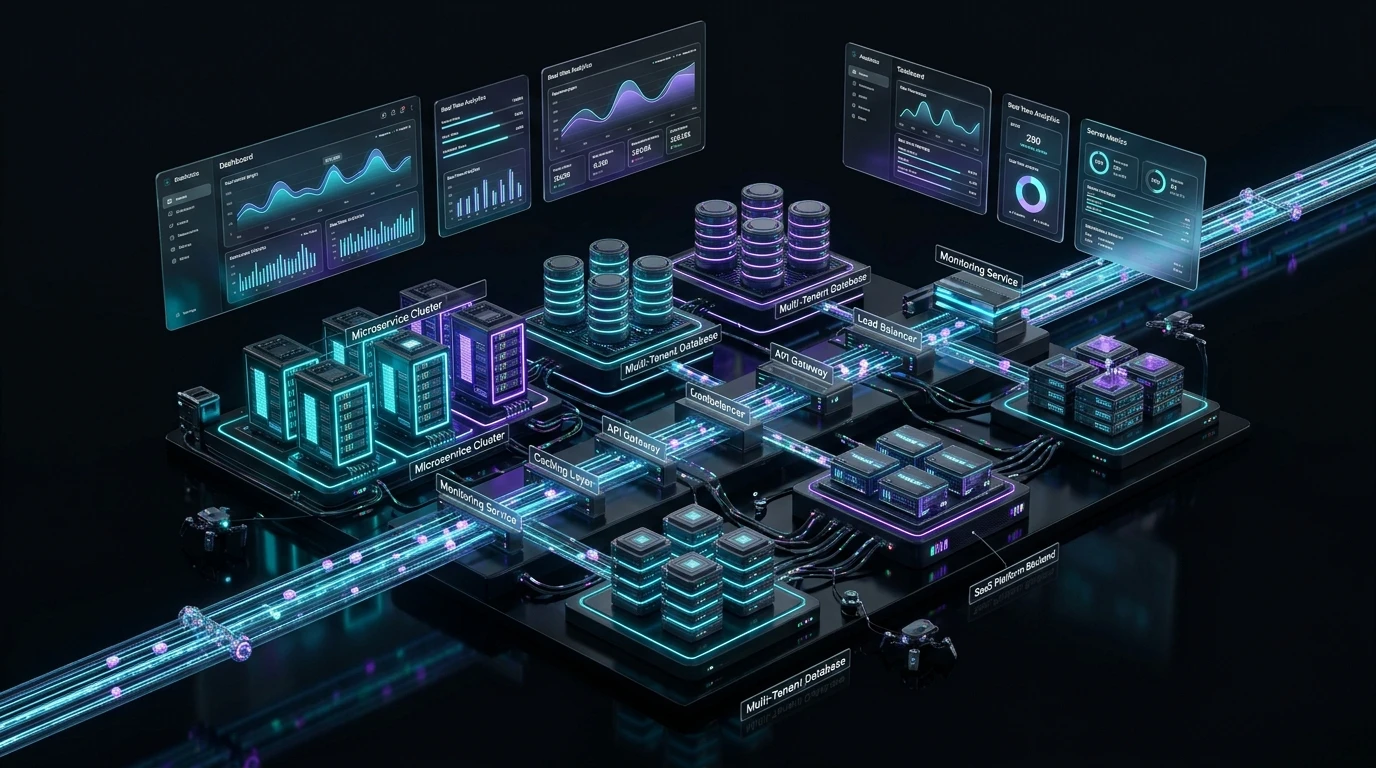

- Server-to-server tracking recovers missing conversion signals without degrading page load speed.
- Reduces client bundle size by removing heavy third-party tracking scripts.
- Ensures strict privacy compliance by scrubbing sensitive user data before transmission.
Browser privacy updates, Safari ITP, and client-side ad-blocking extensions have disrupted traditional advertising measurement. Relying solely on client JavaScript pixels often results in losing 25% to 35% of true conversion signals.
Server-Side Conversions API (CAPI) sends telemetry directly from your backend server to advertising channels, bypassing client-side blockers while honoring user consent preferences.
1. Client vs Server-Side Event Attribution
Client-side pixels execute inside an unpredictable browser sandbox where network errors and tracking blockers routinely intercept events. Server-side tracking triggers on verified transactional webhooks, ensuring 100% telemetry accuracy.
Final Architectural Thoughts
Accurate telemetry fuels algorithm optimization across paid ad platforms. Transitioning to server-side event pipelines is one of the highest-leverage growth investments a company can make.
Alex Vance
AuthorLead Systems Architect
Senior engineer at DINVEXA specializing in scalable web systems, automation graphs, and modern full-funnel digital architecture.